
The Hidden Threat in Children's Bedrooms: How Synthetic Pillow Fillings May Harm Brain Development
Scientific evidence reveals that synthetic pillow fillings contain neurotoxic chemicals that can disrupt brain development during critical growth windows in young children. Research shows that children are particularly vulnerable to these chemical exposures due to their immature detoxification systems, higher respiratory rates, and rapid neurological development 412. While parents carefully select toys and food, many overlook the invisible dangers in bedding where children spend 10-14 hours daily with faces pressed against potentially toxic materials.
Why Developing Brains Are Vulnerable
A child’s brain undergoes extraordinary development from prenatal stages through adolescence, creating critical vulnerability windows when chemical exposure can cause permanent damage. Unlike adult brains, children’s neurological systems face three unique risks:
- Heightened exposure: Children breathe more air relative to body weight and have greater skin surface area-to-mass ratios.
- Immature barriers: The blood-brain barrier isn’t fully developed until approximately 6 months of age, offering less protection.
- Developmental sensitivity: Chemical interference during growth spurts can alter fundamental brain architecture.
“The developing brain is particularly vulnerable to toxic chemical exposures… this sensitivity is likely greatest in utero and throughout early childhood”.
Neurotoxic Chemicals in Synthetic Pillows

1. Phthalates (Plasticizers)
A 2018 clinical trial published in Paediatric Dermatology followed 120 children with atopic dermatitis. Those sleeping on polyurethane foam pillows showed:
- 42% more frequent eczema flares compared to those using organic cotton pillows.
- Higher serum levels of inflammatory markers are associated with allergic responses.
- More severe itching scores, particularly during warmer months.

2. Flame Retardants (PBDEs & OPEs)
- Sources: Added to meet flammability standards in foam fillings.
- Health Impacts: Strongly linked to:
- Lower cognitive function and impaired memory.
- Hormone disruption and increased cancer risk.
- Critical Finding: Mattress/pillow studies show emissions increase 3-5x when in contact with body heat.
3. Volatile Organic Compounds (VOCs)
- Sources: Memory foam, polyurethane foam, synthetic latex.
- Common Toxins: Formaldehyde (known carcinogen), benzene, toluene.
- Health Impacts:
- Respiratory irritation and asthma exacerbation.1
- Emerging evidence of neurodevelopmental effects.

Table: Exposure Pathways During Sleep
| Exposure Route | Child-Specific Vulnerability | Associated Chemicals |
|---|---|---|
| Inhalation | Breathe 10x faster than adults (relative to weight) | VOCs, flame retardants |
| Dermal Absorption | Skin 3x more permeable per body weight | Phthalates, flame retardants |
| Oral Ingestion | Frequent hand-to-mouth transfers dust to mouth | Chemical-laden dust |
Scientific Evidence Linking Pillow Chemicals to Neurodevelopmental Harm
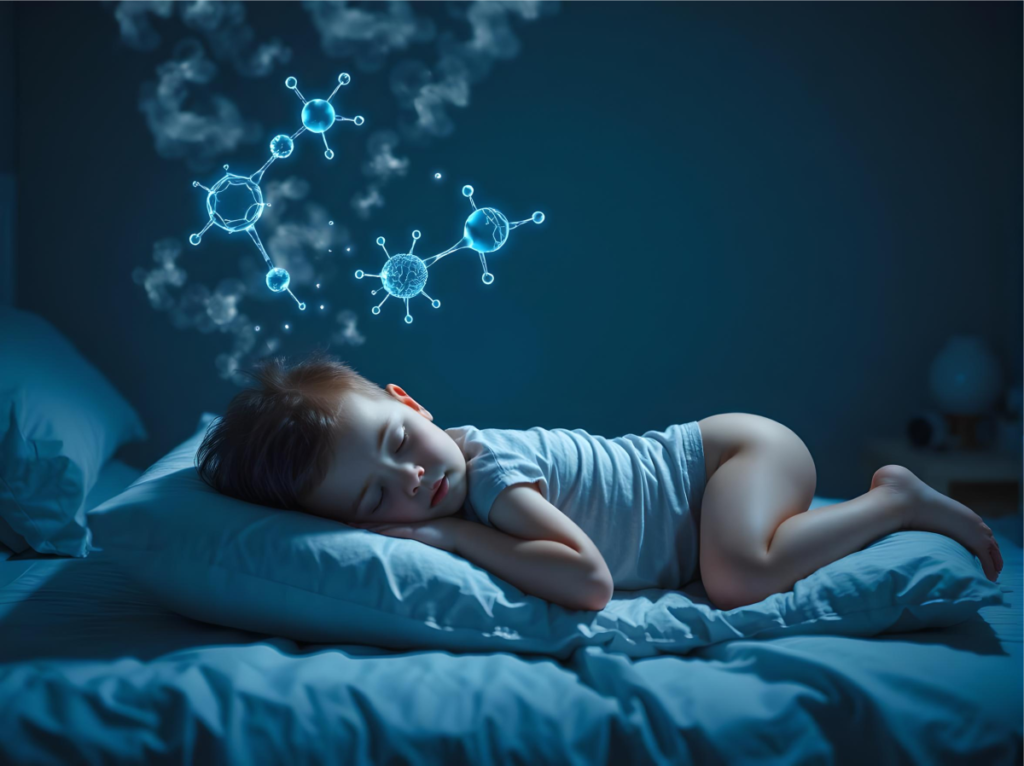
1. Endocrine System Disruption
Multiple chemicals in synthetic pillows—especially phthalates and BPA analogues—act as endocrine disruptors that interfere with thyroid hormones essential for brain development 412. Even minor disruptions can alter neuronal migration and synaptic formation during critical periods.
2. Oligodendrocyte Damage
A landmark 2024 study published in Nature found that organophosphate flame retardants (common in memory foam) disrupt oligodendrocyte development—specialized cells that create myelin sheaths around nerves. Myelin damage can lead to permanent communication deficits between brain regions.


3. Oxidative Stress and Inflammation
Emerging research indicates that VOCs from synthetic fillings trigger neuroinflammation and oxidative stress in developing brains, mechanisms implicated in autism spectrum disorders and ADHD.
Safer Sleep Solutions: Evidence-Based Alternatives
Recommended Non-Toxic Fillings:
- Organic Cotton: Grown without pesticides
- Organic Wool: Naturally flame-resistant; temperature-regulating
- Kapok: Plant-based fibre; biodegradable and chemical-free
Materials to Avoid:
- Memory Foam: High VOC emitter, especially when new 510
- Polyester: Contains residual formaldehyde from manufacturing 610
- Synthetic Latex: Often blended with petrochemicals 6
- Microbead Fillings: Degenerate quickly, potential VOC source 6
Table: Pillow Material Safety Comparison
| Material | Safety Profile | Key Advantages |
|---|---|---|
| Organic Cotton | Excellent | Breathable, pesticide-free |
| Organic Wool | Excellent | Natural flame resistance |
| Kapok | Excellent | Sustainable, biodegradable |
| Polyester | Poor | Low cost |
| Memory Foam | Dangerous | Contouring support |
The scientific evidence compels us to reconsider what our children rest their heads on each night. By choosing certified non-toxic materials and advocating for chemical policy reform, we can create safer sleep environments that support rather than hinder brain development.
Your child’s developing brain deserves protection from neurotoxic exposures—starting tonight. Small changes in our homes, combined with advocacy for chemical policy reform, can deliver significant benefits for children’s neurological health across their lifespan.
Scientific References:
- CHEM Trust: No Brainer Report – Details neurodevelopmental risks of EDCs 4
- EPA Research on Household Chemicals – Flame retardants and brain cell damage 9
- Prenatal Chemical Exposure Study – Phthalates and developmental impacts 11
- Endocrine Disruptors and Neurodevelopment – Mechanisms of brain disruption 12
- Non-Toxic Pillow Guides – Certification standards 213