How Synthetic Pillow Materials Trigger Headaches and Dizziness
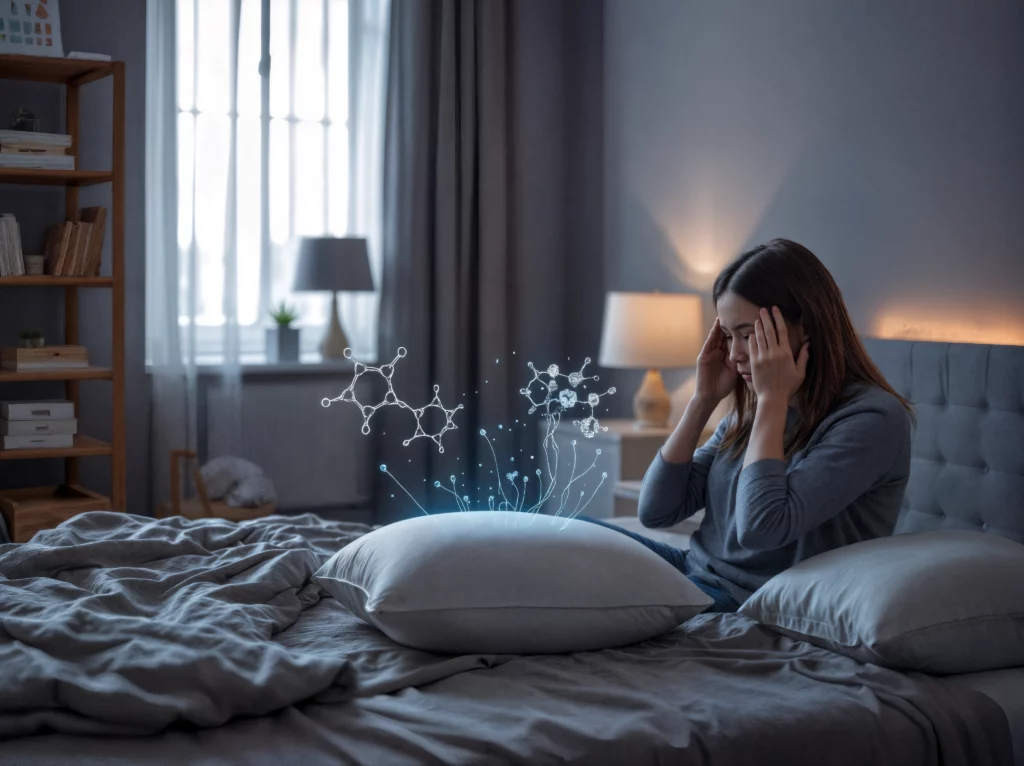
Many people don’t realize their pillow could be the hidden culprit behind chronic headaches, migraines, and dizziness. Scientific research reveals that synthetic pillow materials – including memory foam, polyester, and polyurethane – release chemicals and create sleep environments that may trigger these neurological symptoms.
The Chemical Culprits in Your Pillow
Volatile Organic Compounds (VOCs)
Memory foam and polyurethane pillows are petroleum-based products that emit volatile organic compounds (VOCs) through a process called off-gassing. These chemicals include:
- Diisocyanates: Used in polyurethane production, known to cause neurological symptoms.
- Formaldehyde: A known neurotoxin that can trigger headaches.
- Methylene dianiline: Linked to dizziness and nausea.
Flame Retardant Chemicals
Many pillows contain flame retardants like:
- Polybrominated diphenyl ethers (PBDEs): May disrupt nervous system function.
- Boric acid: Can cause neurological symptoms.
- Melamine compounds: Often contain formaldehyde.
These chemicals continue releasing gases over time and are particularly problematic for chemically sensitive individuals.
How Synthetic Pillows Trigger Headaches and Dizziness
1. Chemical Effects on the Nervous System
The chemicals in synthetic pillows can directly affect the central nervous system, leading to:
- Migraine activation: VOC exposure triggers trigeminal nerve stimulation.
- Vestibular dysfunction: Chemical irritants may affect inner ear balance.
- Neuroinflammation: Chemical exposure increases inflammatory markers linked to headaches.
2. Low Oxygen & Poor Circulation
Synthetic materials like memory foam:
- Trap heat and reduce airflow.
- May worsen snoring and sleep apnea
- Can lead to reduced oxygen levels during sleep.
This oxygen deprivation can cause:
- Morning headaches.
- Dizziness upon waking.
- Cognitive fog.
3. How Synthetic Pillows Can Trigger Headaches and Dizziness
Synthetic pillows—made from polyester, memory foam, or treated microfiber—can off-gas VOCs and contain neurotoxic flame retardants and stabilizers.
Common Toxins Found in Synthetic Pillows:
- Formaldehyde (used as a fabric finish or adhesive)
- Toluene diisocyanate (TDI) (from polyurethane foam)
- Phthalates (plasticizers)
- Flame retardants (PBDEs, TCPP, etc.)
Who Is Most at Risk?
Certain individuals are more vulnerable:
- Migraine sufferers: More sensitive to chemical triggers.
- People with chemical sensitivities: Stronger reactions to VOCs.
- Asthma patients: Shared inflammatory pathways with headaches.
- Elderly: Reduced ability to metabolize toxins.
Children: Developing nervous systems more vulnerable to toxins
Safer Alternatives for Headache Relief
Consider these natural pillow options:
- Organic cotton: Breathable and chemical-free.
- Wool: Naturally dust-mite resistant.
The Bottom Line
Scientific evidence shows synthetic pillow materials can contribute to headaches and dizziness through:
- Chemical off-gassing.
- Flame retardant exposure.
- Allergen accumulation.
- Oxygen reduction.
- Neck strain.