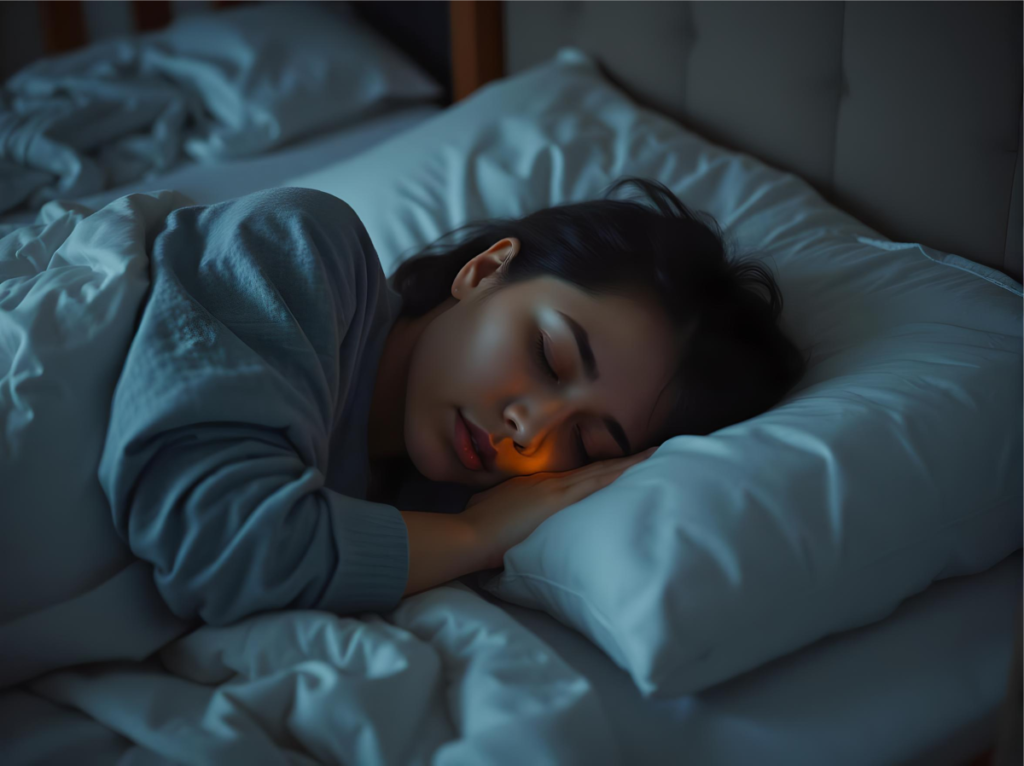
Wake Up with Smoother, Healthier Skin — Every Night Counts.
Fight the Signs of Aging
Wake Up with Smoother, Healthier Skin — Every Night Counts.
The Hidden Dangers of Synthetic Pillows: How Chemical Fillings Trigger Skin Allergies
The Unseen Threat in Your Bedroom
Each night, millions unknowingly sleep on synthetic pillows filled with chemicals like VOCs and flame retardants—compounds linked to skin irritation, inflammation, and allergic flare-ups. (Calibri)
This guide uncovers how chemicals in synthetic pillow fillings may trigger skin allergies—and offers science-backed, safer alternatives for a healthier night’s sleep.
The Chemical Culprits in Synthetic Pillows
1. Volatile Organic Compounds (VOCs) and Skin Irritation
Synthetic pillows—especially memory foam and polyester—release volatile organic compounds (VOCs) that can irritate the skin: • Formaldehyde, a common binding agent, is a skin allergen linked to contact dermatitis. • Toluene and benzene, from foam production, may off-gas and settle on skin, triggering reactions. • Phthalates, used to soften plastics, can disrupt hormones and increase skin sensitivity to allergens.
2. Flame Retardants: Skin Allergy Triggers
To meet fire safety rules, synthetic pillows are often treated with flame retardants that can harm skin:
• HFRs (bromine/chlorine-based) may leach onto pillowcases, triggering dermatitis and eczema flare-ups. • Organophosphates could weaken the skin barrier, increasing allergy sensitivity.
Synthetic fibres trap and release these chemicals overnight—unlike natural materials that breathe and minimize residue buildup.
3. Antimicrobial Treatments and Allergic Responses
Synthetic pillows often contain antimicrobial agents like triclosan or silver nanoparticles—meant to fight microbes but risky for skin:
They can disrupt the skin’s microbiome, leading to inflammation. • Act as haptens, triggering immune reactions.
Cause irritation when they migrate to the skin.
The Science Behind Synthetic Pillows and Skin Allergies
Mechanism 1: Compromised Skin Barrier Function
Chemicals in synthetic pillow fillings may weaken the skin’s barrier by:
• Lowering ceramide levels, which protect skin integrity. • Raising water loss (TEWL), a sign of damaged skin defenses. • Disrupting cell development, making skin more prone to allergens.
Mechanism 2: Immune System Activation
Chemicals in synthetic pillows don’t just irritate—they provoke the immune system:
VOCs can trigger histamine release, causing redness and itching.
Phthalates and flame retardants may shift the immune response toward allergies
Some exposures raise IgE levels, fueling allergic reactions.
Mechanism 3: Microenvironment Effects
Synthetic pillows can worsen skin allergies by creating a poor sleep environment:
• Trap heat, raising skin temp and sweat, which aggravates inflammation. • Hold moisture, keeping skin damp and prone to irritation. • Build static, attracting dust and allergens to the skin.
Clinical Evidence: Studies Linking Synthetic Pillows to Skin Allergies
Study 1: Polyurethane Foam and
Eczema Flares
A 2018 clinical trial published in Paediatric Dermatology followed 120 children with atopic dermatitis. Those sleeping on polyurethane foam pillows showed:
42% more frequent eczema flares compared to those using organic cotton pillows.
Higher serum levels of inflammatory markers are associated with allergic responses.
More severe itching scores, particularly during warmer months.
Study 2: Flame Retardants and Contact Dermatitis
Research from the Journal of the American Academy of Dermatology (2020) examined patch test results from 500 patients with chronic urticaria or contact dermatitis:
18% showed positive reactions to common flame retardants used in bedding.
Patients using synthetic pillows reported more persistent symptoms.
Removal of synthetic bedding led to symptom improvement in 76% of reactive patients.
Study 3: VOC Exposure and Skin Sensitivity
A 2021 study in Environmental Health Perspectives measured skin sensitivity before and after introducing synthetic pillows to participants’ bedrooms:
Significant increase in skin reactivity to standard allergens after 4 weeks.
Elevated levels of inflammatory cytokines in skin surface samples.
Correlation between bedroom VOC levels and degree of skin reactivity.
Safer Alternatives: Reducing Allergy Risk
For individuals concerned about skin allergies, switching to natural pillow fillings can provide significant benefits: Look for GOLS (Global Organic Latex Standard) certification to ensure purity 13.
1. Organic Cotton
Grown without synthetic pesticides that can linger in fibers 7
Breathable and hypoallergenic when unbleached and undyed
Naturally regulates temperature and wicks moisture away from skin 13
Contains lanolin, which may benefit sensitive skin
Resistant to dust mites and microbial growth
Ensure wool is untreated with chemical pesticides or processing agents.
Conclusion: Making Informed Choices for Skin Health
The scientific evidence clearly demonstrates that synthetic pillow fillings contain numerous chemicals capable of triggering or exacerbating skin allergies. From direct irritants like formaldehyde to immune-disrupting flame retardants, these substances create a challenging environment for sensitive skin.
By understanding these risks and opting for certified natural alternatives, individuals with skin allergies can create a healthier sleep environment. As research continues to uncover the connections between environmental exposures and skin health, making informed choices about bedding materials becomes increasingly important for managing allergic skin conditions.
Remember that skin is our largest organ and first line of defense—what we rest it on for a third of our lives matters more than we often realize. Investing in non-toxic, natural pillow options represents an important step toward reducing allergic triggers and supporting overall skin health.